Til Oil vs Mustard Oil vs Ghee for Diwali Diyas: Which Is Best?
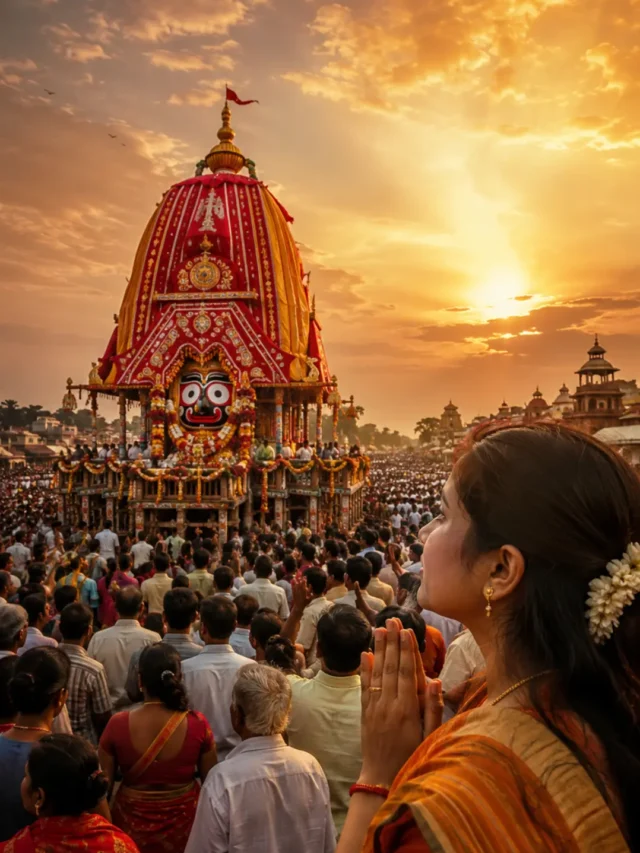
At Diwali time homes get a festive look with colourful rangoli and fresh flowers. On Diwali, people keep diyas at their doors, windows and balconies to decorate their homes.
While preparing for the festival, many people wonder which oil is better for their diyas: til oil, mustard oil or desi ghee.
Every home follows its own way of doing prayers. Some families use til oil for daily पूजा, while others prefer mustard oil or desi ghee on special days. The choice usually depends on family customs, budget, the type of diya, and how long they want it to burn.
In this guide, we will look at how til oil and mustard oil are different, why many people also use ghee, and which one you can choose for lighting diyas during Diwali.
We will also introduce Yog Mantra Deepotsav Pooja Til Oil for your Diwali puja preparations.
Why Do We Use Oil in Diwali Diyas?
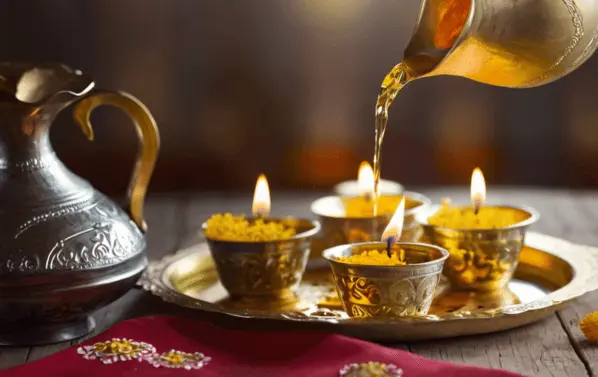
Lighting a diya is a traditional practice followed in many Indian homes. During Lakshmi Puja, families keep diyas in their mandir, near the main door, on windowsills and in other parts of the house to make the home look bright and welcoming.
When the cotton wick takes in oil or ghee and gets lighted, the diya starts burning and gives light.Sometimes the flame stays strong, while at other times it becomes small or goes out early. The flame burn differently based on how much oil or ghee is added and how thick the cotton wick is shape of the diya and how much air reaches the flame.
Choosing suitable diya oil helps you prepare for worship according to your family traditions. Before using any pooja oil, check that it is appropriate for the diya you have selected.
1. Til Oil for Diwali Diyas
Til oil, also known as sesame oil, is used in various Indian religious traditions. Many families prefer it for regular worship and festive rituals because it is a familiar choice for traditional diya lighting.
For Diwali puja, many families keep til oil ready to light diyas and follow their usual पूजा traditions at home.
Benefits of Til Oil
- Common in traditional worship: Sesame oil is used by many families as part of their regular prayer rituals.
- Useful for everyday puja: You can use it in oil diya that are suitable for the product.
- Suitable for clay and brass diyas: You can use it in different clay or brass diyas, if they are made for using liquid oil.
- Makes planning easier: Keeping til oil ready before Diwali means one less thing to worry about when you start cleaning, decorating and arranging diyas for puja.
For lighting diyas during Diwali puja you can keep Yog Mantra Deepotsav Pooja Til Oil as one of the best options while buying puja items for home.
Before buying, read the details on the pack to make sure the oil meets your needs for lighting diyas.
2. Mustard Oil for Diya
Some families also choose mustard oil for lighting diyas during worship.Mustard oil has a noticeable smell of its own, which makes it different from til oil and desi ghee when used for lighting diyas.
Its use often depends on regional customs and personal preference. While some households use mustard oil for their everyday diyas, others prefer to light diyas with it only during particular pujas or religious celebrations.
Benefits of Mustard Oil
- Traditional choice: Used in certain family and regional worship practices.
- Distinctive aroma: Has a stronger smell than some other oils.
- Everyday Puja: If the oil is meant for diya lighting still you can use it in a suitable diya for your daily prayers or festival puja.
- Budget-friendly: Mustard oil can sometimes be cheaper than desi ghee, depending on the brand, pack size and current price.
Mustard oil has a strong smell which might some people may not like when many diyas are burning inside a small room. If the room has less fresh air, the smell can stay for a longer time.
keep windows open for fresh air and place the burning diyas away from curtains and other things that can catch fire.
When choosing between sesame oil and mustard oil for your diyas, keep in mind that the flame depends on more than just the fuel. The diya flame may change depending on which diya you use, how thick the cotton wick is, and whether air is moving around it.
3. Desi Ghee for Diwali Diyas
Desi ghee is widely associated with Hindu worship. Many families choose desi ghee for their diyas during Lakshmi Puja, aarti and other religious ceremonies, especially when they want to follow their family’s usual पूजा customs.
Compared with liquid oils, ghee has a different texture and aroma. Some devotees prefer it for special occasions, while others use it for everyday prayers.
Benefits of Ghee for Diyas
- Religious importance: Commonly included in traditional puja practices.
- Unique fragrance: When heated in a diya, ghee releases a rich smell that is different from the scent of til oil or mustard oil.
- Popular for special worship: Many families choose it for festivals and religious ceremonies.
One factor to consider is the cost. Desi ghee may be more expensive than til oil or mustard oil, especially when lighting a large number of diyas.
The way ghee burns can vary according to the type of diya used and the wick’s size and material. Its burning time is not always longer than that of oil, so it is better to test your setup before the festival.
Sesame Oil, Mustard Oil and Ghee for Diyas: A Simple Comparison
| Feature | Til Oil (Sesame Oil) | Mustard Oil | Desi Ghee |
| Common use | Daily puja and traditional worship | Used for diya lighting in some regional traditions | Often used for aarti and special puja |
| Smell | Has its own mild to noticeable aroma | Has a stronger, distinctive smell | Has a rich, buttery aroma |
| Price | Depends on quality, brand and quantity | Depends on quality, brand and quantity | Often costs more than regular diya oils |
| Burning time | Depends on wick size and diya capacity | Depends on wick size and diya capacity | Depends on wick size and diya capacity |
| Why people choose it | Traditional choice for regular worship | Preferred by some families for religious customs | Chosen by many families for special religious occasions |
This oil comparison shows that there is no single option that suits every household. Your choice should match your traditions, budget and the type of diya you use.
Which Oil or Ghee Offers a Better Flame and Longer Burning Time?
During Diwali, people often want their diya to burn steadily throughout the evening.The way a diya burns and the duration of its light can vary depending on several conditions, not just the oil or ghee used.
Choose a suitable cotton wick for your diya. A wick that is too long may create a larger flame and more soot, while a wick that is too short may not burn properly. Keep the diya on a stable, heat-resistant surface and protect it from strong air currents.
The diya smell can also vary according to the fuel and burning conditions. When lighting several diyas indoors, ensure proper ventilation and never leave burning diyas unattended.
How to Choose the Best Oil for Diwali Diya
Before buying diya oil, keep these simple points in mind:
- Follow family traditions: Choose the oil or ghee commonly used in your household.
- Check your budget: Compare prices and quantities before purchasing.
- Select a suitable diya: Ensure the fuel is intended for your clay diya or brass diya.
- Consider the aroma: Pick an option that feels comfortable for your home.
- Read product details: Follow the label instructions for safe and proper use.
If you prefer sesame oil for your worship routine, Yog Mantra Deepotsav Pooja Til Oil is worth considering for your Diwali shopping. Keeping your festive oil ready in advance can make your puja preparations simpler.
Special Diwali Offer at Archita Essentials
Celebrate Diwali with devotion and enjoy special festive savings!
Shop your favourite Yog Mantra and Archita Poojabatti products at Archita Essentials and prepare your home for the festival of lights.
Special Diwali Offer:
- 13% FLAT OFF on orders above ₹499.
Visit architaessentials.com to explore the available products and shop for your festive puja essentials.
Conclusion
Choosing between til oil, mustard oil and desi ghee depends on your family traditions, budget and personal preference. Sesame oil is used in many worship practices, mustard oil is preferred by some households, and ghee is often chosen for special puja occasions.
There is no universal winner in the ghee vs oil for diya comparison. Select a suitable fuel, use the correct wick and follow basic fire safety while lighting your diya.
This Diwali, consider Yog Mantra Deepotsav Pooja Til Oil for your festive worship preparations. Plan your purchases early, explore the Diwali offer at Archita Essentials, and welcome the festival with beautiful diyas, heartfelt prayers and a peaceful atmosphere.
Also, read:
How Much Oil Do You Need for Diwali Diyas? A Simple Guide
Our Latest Web Stories