How to Keep Your Akhand Jyot Burning for All 9 Nights of Navratri
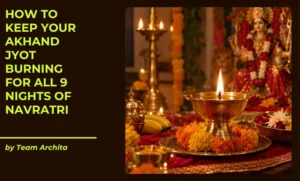
During Navratri, many devotees light an Akhand Jyot and keep it burning through the nine days of worship. The continuous flame is considered a symbol of devotion, faith and positive energy in the home. But keeping a diya burning continuously for nine days needs proper preparation and regular care.
Choosing the right akhand jyot oil navratri, correct wick size and a safe diya setup can make the process easier. Yog Mantra Deepotsav Pooja Oil can be used as a pooja oil for your diya, especially when you are looking for a convenient long lasting diya oil for Navratri rituals.
What Is Akhand Jyot?
Akhand Jyot means a lamp that is kept continuously burning during a specific period of worship. During Navratri, many families maintain the flame for all nine days as part of their personal navratri rituals guide and family tradition.
The diya is generally placed near the Devi puja area in a clean and safe location. The purpose is devotional, so there is no need to make the setup very complicated.
If you are planning a nine day vrat lamp, prepare everything before Ghatasthapana. This includes the diya, oil, cotton wick, tray and a safe place for keeping the lamp.
Choose the Right Oil
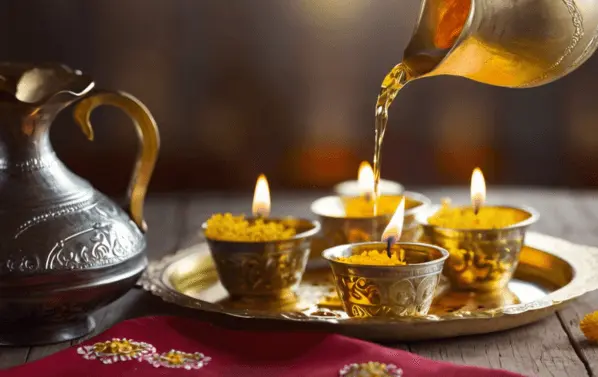
One of the most important akhand jyot tips is selecting suitable lamp oil. The oil should be appropriate for diya use and should burn steadily when used with the correct wick.
Yog Mantra Deepotsav Pooja Oil is a practical option for devotees looking for navratri diya oil for their daily puja and lamp rituals.
Til oil is also traditionally used in many Indian households. If you prefer til oil for lamp, choose a suitable pooja-grade oil and use it according to your family tradition.
Some people also use mustard oil diya, while others prefer ghee. The choice between ghee vs oil diya can depend on family practice, ritual tradition and how long you want the lamp to remain burning.
Use the Correct Wick Size
Oil alone does not decide how long a diya burns. The wick also makes a big difference.
For an akhand deep vidhi, use a good-quality cotton wick. A very thin wick may burn quickly, while a very thick wick can consume oil faster and create a larger flame.
The ideal oil lamp wick size depends on the diya size and oil quantity. Before Navratri begins, you can test the wick with the same diya and oil you plan to use.
The flame should be steady and moderate, not extremely large.
How to Keep Diya Burning 9 Days
If you are wondering how to keep diya burning 9 days, preparation is the most important part.
1. Clean the Diya
Wash and completely dry the diya before filling it with oil. Any moisture left inside can affect the flame.
Place the diya on a stable metal or heat-resistant plate.
2. Fill Enough Oil
Add enough oil for the planned burning period, but do not overfill the diya.
For a continuously burning lamp, the oil level should be checked regularly. Never pour oil carelessly while the flame is burning.
3. Set the Wick Properly
Place the cotton wick so that one end stays soaked in oil while the other end reaches the lighting point.
Only a small part of the wick should remain above the oil. This helps maintain a controlled flame.
4. Light the Jyot
Light the diya during your chosen puja time according to your family tradition.
Once lit, observe the flame for some time. If the flame is too high, the wick may be too thick or too much of it may be exposed.
Diya Refill Technique
A good diya refill technique is important when keeping an Akhand Jyot for several days.
Do not pour oil directly into a burning diya. This can be dangerous.
If the diya needs refilling, follow a safe method suitable for your lamp setup. Ideally, have another adult manage the oil while keeping the flame protected, or temporarily extinguish and relight the lamp if your family tradition permits.
For a truly continuous flame, some devotees use a larger reservoir-style lamp designed for extended burning. Always follow the manufacturer’s instructions for such lamps.
Navratri Lamp Care
During nine days, the lamp should not simply be left without checking. Regular navratri lamp care is important.
Check:
- Oil level
- Wick position
- Flame size
- Soot around the diya
- Stability of the lamp
- Nearby objects
If the flame becomes very small, the wick may need adjustment or the oil level may be low.
If the flame becomes unusually large, check the wick and reduce the exposed portion.
Akhand Jyoti Safety Tips
Devotion should always be combined with safety. A burning diya should never be treated as something that can be left completely unattended.
Some important oil lamp safety tips are:
- Keep the diya away from curtains and cloth.
- Do not place it near paper or decorations.
- Keep children and pets away.
- Use a stable, heat-resistant base.
- Keep the surrounding area clean.
- Avoid placing multiple lamps too close together.
- Keep a suitable way to deal with accidental fire nearby.
- Never add oil carelessly to an active flame.
If you are leaving your home for a long period, do not leave an open flame unattended.
Long Burning Lamp Oil: What Matters?
People often search for long burning lamp oil because they want their Navratri diya to continue for longer without frequent attention.
But burn time depends on many things, including:
- Diya size
- Oil quantity
- Wick thickness
- Wick length
- Flame size
- Air movement
- Temperature
So, even a good festive lamp oil cannot guarantee an exact number of hours. The setup matters equally.
This is why testing your diya before Navratri is one of the most useful navratri jyot tips.
Ghee vs Oil for Akhand Jyot
Both ghee and oil are used for lamps in different traditions. Ghee is traditionally considered auspicious in many puja practices, while oil lamps are also widely used for daily worship and longer-duration burning.
There is no single setup that every family follows. Choose according to your household tradition and the type of diya you are using.
If you want to use Yog Mantra Deepotsav Pooja Oil, keep the oil, wick and diya ready before Navratri starts so you are not doing last-minute preparation.
Final Thoughts
Keeping an Akhand Jyot burning during Navratri is a beautiful devotional practice, but it also requires proper care. The right akhand jyot oil navratri, suitable wick, stable diya and regular checking can help maintain a steady flame.
With Yog Mantra Deepotsav Pooja Oil, a properly prepared diya and simple akhand jyot tips, your Navratri lamp routine can stay organised throughout the nine days.
Most importantly, do not focus only on keeping the flame burning. The real meaning of the Akhand Jyot is the faith and devotion behind the ritual.
“May Maa Durga bless your home with unwavering strength, serene peace, and abundant happiness. Jai Mata Di!”
Also, read:
How to Do a Smoke-Free Ganesh Aarti in Apartments
Our Latest Web Stories