Chhath Puja 2026: 4-Day Vidhi, Diya Oil & Samagri Guide
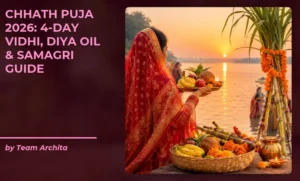
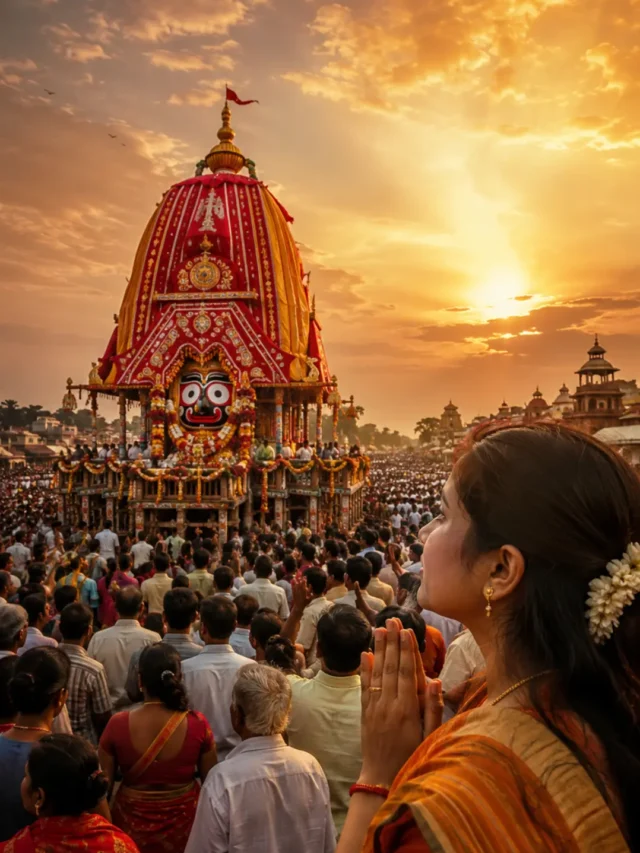
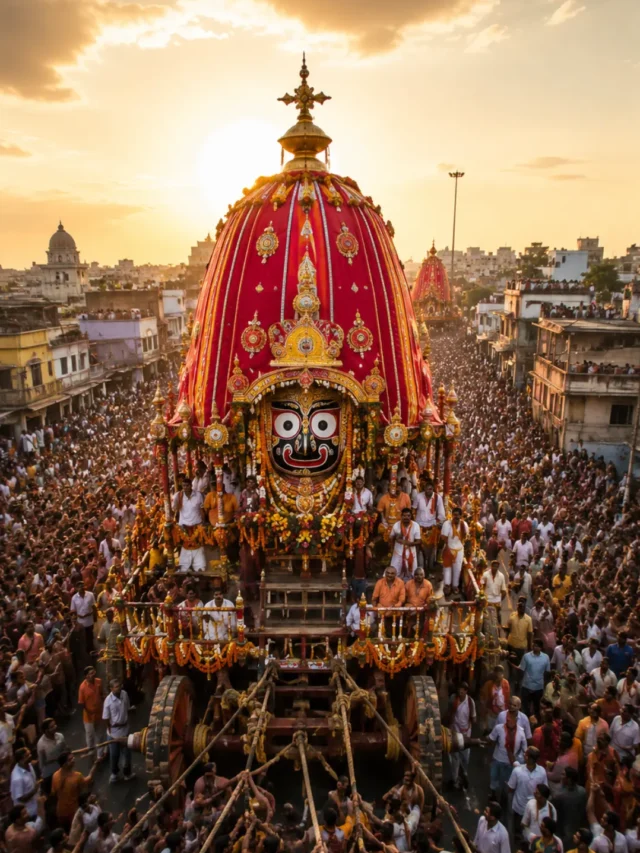
Chhath Puja 2026 is one of the most sacred festivals dedicated to Lord Surya and Chhathi Maiya. It is celebrated with great devotion in Bihar, Jharkhand, Uttar Pradesh and many parts of Purvanchal. During this festival, devotees offer prayers to the Sun God and thank him for giving light, energy and life to the world.
The celebration continues for four days, and each day has its own special rituals. Families prepare traditional food, clean their homes, decorate the Chhath ghat and make offerings with a pure heart. The festival reflects deep faith, mindful rituals, and cherished customs.
For the puja preparations, items like Yog Mantra Deepotsav Pooja Til Oil, fruits, thekua, sugarcane, soop and daura are commonly arranged. A suitable diya and diya oil for Chhath ghat can also be part of the worship setup.
What Is Chhath Puja and Why Is It Celebrated?
Chhath Puja is a sacred festival honouring Surya Dev and Chhathi Maiya. Devotees pray for the health, happiness and well-being of their family. Many people also observe fasting and follow strict rules during the four-day celebration.
This festival is especially popular in Bihar and Purvanchal, where it is celebrated with deep faith. Families gather near rivers, ponds and other water bodies to offer sandhya arghya at sunset and usha arghya at sunrise.
The festival teaches us gratitude, patience and respect for nature. The rising and setting Sun are both worshipped, showing that every phase of life deserves respect. The sound of Chhath geet, the decorated ghats and the sight of devotees offering arghya make the festival very special.
Chhath Puja 2026: Four-Day Vidhi
The Chhath Puja vidhi is followed over four days. Rituals may differ slightly according to family customs and local traditions, but the main sequence remains similar.
Day 1: Nahay Khay
The first day is called Nahay Khay. Devotees take a bath, clean the house and prepare for the festival. A simple and pure meal is cooked, often including rice, chana dal and seasonal vegetables.
The food is prepared carefully, and devotees begin following the traditional rules of Chhath. This day is about cleanliness, preparation and starting the festival with a peaceful mind.
Day 2: Kharna
The second day is known as Kharna. Devotees observe a fast during the day and break it after sunset by offering food to the deity.
Traditional offerings may include jaggery kheer, roti and fruits. After the offering, the prasad is shared with family members and others. Following Kharna, devotees begin a strict fast that continues until the morning arghya.
Day 3: Sandhya Arghya
The festival’s third day holds special religious significance. Devotees prepare the soop daura with fruits, thekua, sugarcane and other offerings. Families visit the Chhath ghat near a river, pond or other suitable water body.
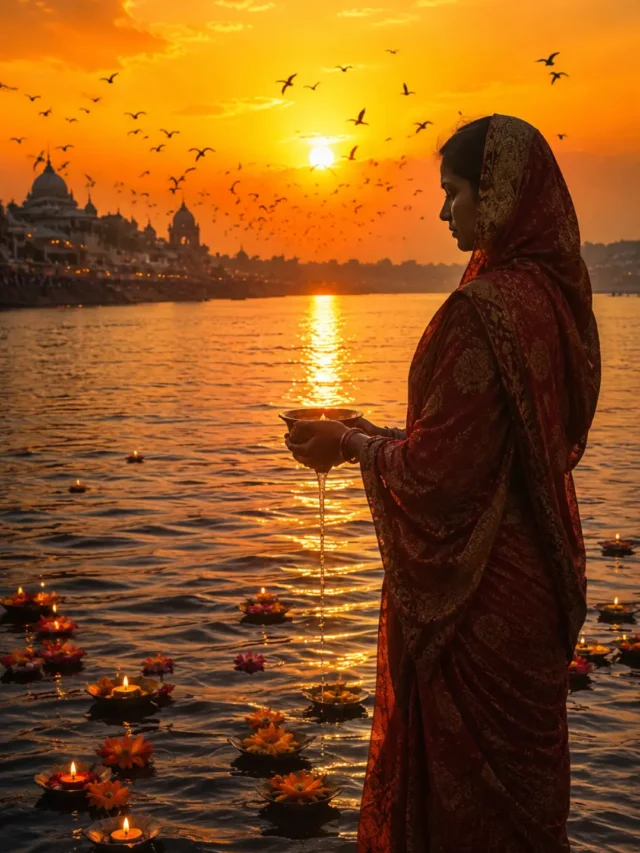
During Sandhya Arghya, prayers are offered to the setting Sun. Devotees stand in the water and offer arghya with devotion. The ghat is often decorated with flowers, diyas and traditional items. Many families sing Chhath geet, making the atmosphere peaceful and spiritual.
Day 4: Usha Arghya
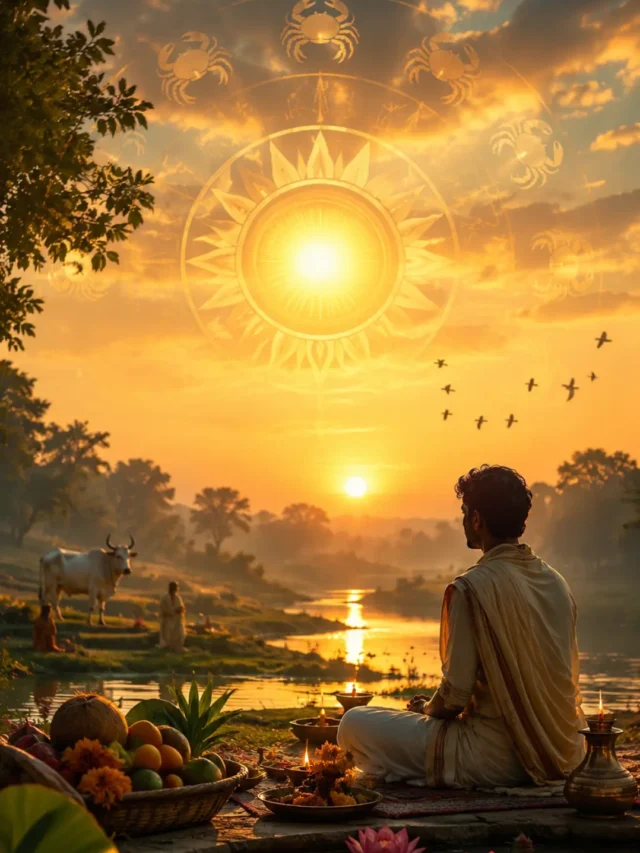
The final day is called Usha Arghya. Devotees gather early in the morning and offer prayers to the rising Sun. This ritual is performed with faith and gratitude for life, health and prosperity.
Following the morning offering to the Sun, devotees end their fast as guided by family customs.Prasad is shared with family, neighbours and friends. This brings the four-day Chhath celebration to a joyful end.
Chhath Puja Samagri List
Preparing the Chhath Puja samagri list in advance helps families complete the rituals without last-minute stress. The items can vary according to local customs, but common essentials include:
- Soop and daura for arranging offerings
- Thekua and other traditional prasad
- Sugarcane
- Seasonal fruits such as bananas, apples and coconuts
- Rice, wheat flour and jaggery
- Flowers and leaves for decoration
- A clean puja thali
- Diya, cotton wick and suitable diya oil
- Water and other items required for arghya
- A clean cloth for arranging the offerings
Some families also use earthen diyas and decorate the ghat with flowers and rangoli. Keep all items ready before leaving for the ghat, especially during the evening and early morning rituals.
Diya Oil for Chhath Ghat: Choosing the Right Oil
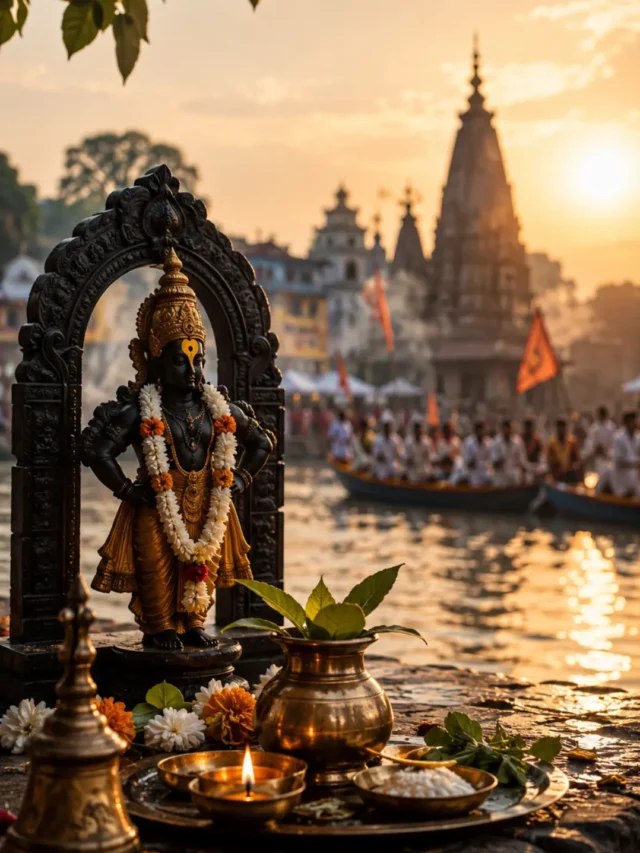
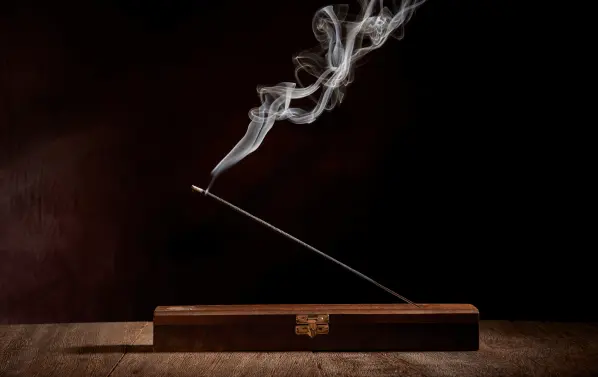
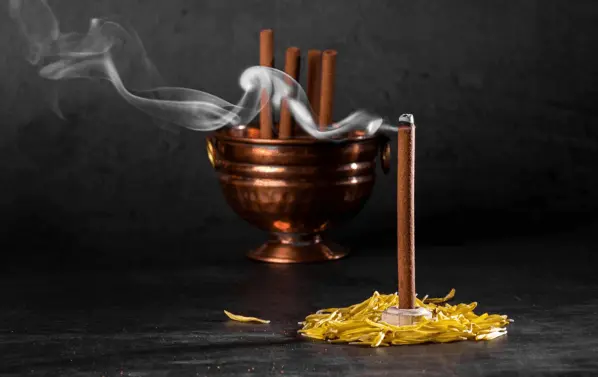
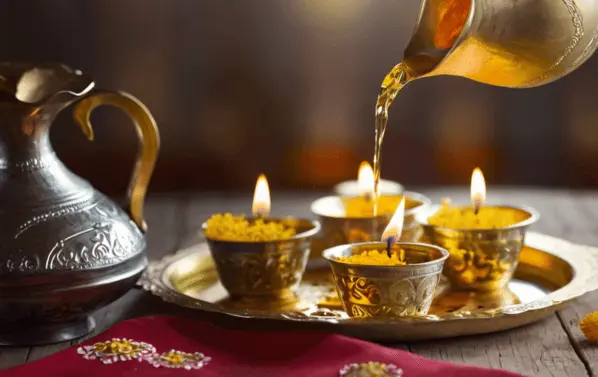
Lighting a diya is a cherished ritual in Hindu prayers.During Chhath Puja, diyas may be placed around the home or used as part of the ghat decoration. When selecting diya oil for Chhath ghat, choose an oil that is suitable for your lamp and follow the product directions.
Yog Mantra Deepotsav Pooja Til Oil can be used in a suitable diya as part of puja preparations. Many households use sesame (til) oil as part of their worship rituals.It is also called lamp oil or pooja oil when used for lighting traditional lamps.
The burning time and flame quality depend on several things, including the amount of oil, the wick thickness, the size of the diya and airflow. A cotton wick should be placed properly, and the lamp must be kept on a stable, heat-safe surface.
For outdoor ghat decoration, keep diyas away from dry leaves, cloth, plastic and other flammable materials. Never leave a burning diya unattended.
Prepare for Chhath Puja with Yog Mantra
Chhath Puja is not only a festival, but also a beautiful way to express gratitude towards the Sun, nature and family. From Nahay Khay and Kharna to Sandhya Arghya and Usha Arghya, every day carries a special meaning.
At Archita Essentials, Yog Mantra Deepotsav Pooja Til Oil can be included in your traditional diya arrangements. Keep your Chhath Puja samagri list ready, prepare the offerings with care and follow your family’s Chhath vidhi with devotion.
May Chhathi Maiya and Lord Surya bless every family with good health, happiness and peace. Celebrate Chhath Puja 2026 with faith, gratitude and the spirit of togetherness.
Also, read:
Bhai Dooj 2026: Tilak Time, Thali Setup & Puja Vidhi
Our Latest Web Stories