
Why Til Oil Burns Best in Winter Morning Diyas
Winter mornings have a special peaceful feeling. The cool air, soft sunlight and quiet surroundings make early morning prayers more enjoyable. Many Hindu families start their day by lighting a diya in the home temple. This small ritual brings a devotional touch to the morning and helps create a positive atmosphere.
Choosing the right oil for a diya is also an important part of daily worship. Among different traditional options, til oil for diya is widely used in many Indian households. Also known as sesame oil, it is a popular choice for lighting diyas during daily puja, especially in the winter season.
During cold weather, people often look for a suitable winter pooja oil that can be used comfortably in their morning worship routine. Yog Mantra Deepotsav Pooja Til Oil is a convenient option for families who prefer sesame-based oil for their daily diya lighting.
Why Is Til Oil Used for Lighting Diyas?
Til oil, also called sesame oil, has a long history of use in Indian religious traditions. It is commonly used for lighting diyas during morning and evening prayers. Many devotees consider it a traditional choice for offering light to God.
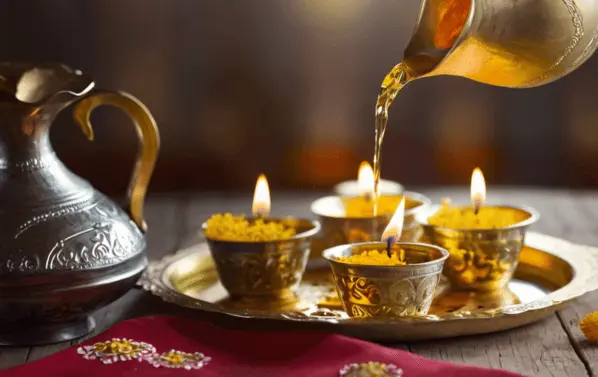
A diya represents hope, knowledge and the removal of darkness. When a cotton wick is soaked in pure til oil for diya, it absorbs the oil and supports the burning flame. The quality of the oil, wick size and diya design can all affect how the flame burns.
Sesame lamp oil is used in different types of diyas, including brass and clay diyas. Some families use it for their mandir lamp every morning, while others prefer it during special puja and festivals.
Why Til Oil Is a Popular Choice in Winter Mornings
During winter, morning temperatures are lower and the oil may feel thicker than it does in warmer weather. This is a normal property of many oils, including sesame oil. It does not mean that til oil cannot be used for diya lighting in cold weather.
The performance of a diya depends on a few things, such as the oil quality, wick thickness, wick placement and surrounding conditions. Using a properly prepared cotton wick and a suitable diya can help maintain a steady flame.
Here are some reasons why many families continue using pooja til oil during winter:
1. A Traditional Choice for Sunrise Pooja
Many devotees light a diya during sunrise as part of their daily worship. Til oil is traditionally used in several Hindu rituals, making it a familiar option for morning prayers.
2. Suitable for Regular Diya Lighting
Sesame oil can be used in suitable clay and brass diyas. It is important to select a good-quality oil and use the correct amount for your diya.
3. Supports a Steady Flame with Proper Wick Placement
A properly soaked cotton wick helps the oil travel towards the burning tip. Keep the wick at a suitable height and avoid making it too thick. This can help the diya burn more evenly.
4. Useful for Daily and Special Pooja
Apart from winter morning diya lighting, sesame oil is also used by many families during festivals, temple prayers and other religious occasions. It can be included in your regular deepam oil collection.
How to Light a Diya with Til Oil in Winter
Lighting a diya is a simple ritual, but a few small steps can make the process easier and safer.
Step 1: Choose a Clean Diya
Select a clean brass diya or clay diya. Make sure it is dry and placed on a stable, heat-resistant surface.
Step 2: Prepare the Cotton Wick
Take a cotton wick and shape it properly. Keep one end slightly pointed so it can be lighted easily. The wick should not be too thick or too long.
Step 3: Add Yog Mantra Deepotsav Pooja Til Oil
Pour the required amount of Yog Mantra Deepotsav Pooja Til Oil into the diya. Add enough oil to soak the wick properly, without filling the diya to its edge.
Step 4: Place the Wick Correctly
Keep one end of the cotton wick inside the oil and allow the other end to remain above the diya’s edge. Make sure the wick is properly soaked before lighting it.
Step 5: Light the Diya
Light the exposed end of the wick carefully. Place the diya in a safe location and allow the sacred flame to become part of your morning prayer.
Tips for Better Diya Burning During Cold Weather
A few simple habits can improve your daily diya routine during winter.
- Keep the diya clean: Remove old oil residue and soot before using it again.
- Use a suitable wick: A very thick wick may consume oil quickly, while a very thin wick may not burn properly.
- Check the oil level: Make sure there is enough oil to keep the wick soaked.
- Trim the wick: Remove the burnt portion after the diya has cooled completely.
- Avoid air movement: Place the diya away from fans, open windows and strong air currents.
- Use a proper holder: Keep the diya on a flat and heat-resistant surface.
People sometimes search for til oil that gives a no black smoke flame. However, no oil can guarantee a completely smoke-free burn. Smoke or soot may depend on wick size, oil quality, airflow and the condition of the diya. Proper wick trimming and a clean diya can help reduce excess soot.
Yog Mantra Deepotsav Pooja Til Oil for Daily Worship
For families who prefer traditional sesame oil in their daily puja, Yog Mantra Deepotsav Pooja Til Oil can be a useful addition to their worship essentials.
It can be used for lighting a morning diya, an evening mandir lamp and deepam during special religious occasions. Keep the bottle in a clean, dry place and close the cap properly after every use.
Whether you are performing sunrise pooja or lighting a diya during winter evenings, having your pooja oil ready makes the daily ritual simple and convenient.
Til Oil vs Other Diya Oils: What Should You Consider?
Different households use different oils for diya lighting, depending on their religious customs and personal preferences. Sesame oil is one traditional option, while some families use other suitable oils for their daily worship.
Before choosing a diya oil or lamp oil, consider its quality, suitability for your diya and the type of wick you use. The oil should be stored properly and handled carefully. Also, remember that flame stability and burn time depend on the amount of oil, wick thickness and diya size, not only on the oil type.
Make Winter Morning Prayers More Meaningful
A small diya can become a beautiful part of your everyday routine. The soft flame, quiet morning atmosphere and heartfelt prayers make sunrise worship a peaceful experience.
Choose Yog Mantra Deepotsav Pooja Til Oil for your daily diya lighting and traditional winter pooja needs. Use it with a clean brass or clay diya and a properly prepared cotton wick.
Let every winter morning begin with devotion, a glowing deepam and a moment of peace with your prayers.
Also, read:
Griha Pravesh Puja Samagri List: Items for a New Home
Our Latest Web Stories